
Neuro-Plank: A Scientific Approach to Enhancing Cognitive Functions
The article explores the neuro-plank, a method combining physical activity (plank exercise) and mental affirmations to enhance cognitive functions. Grounded in research on neuroplasticity and BDNF, it aids in forming new neural connections, improving memory, attention, and learning. It details a 10-day practice cycle and the potential for a 30-day transformation.
FITNESSALTERNATIVE WELLNESSHEALTHFITNESS WORKOUTSBOOST METABOLISMWELLNESS APPROACHES
4/21/20254 min read


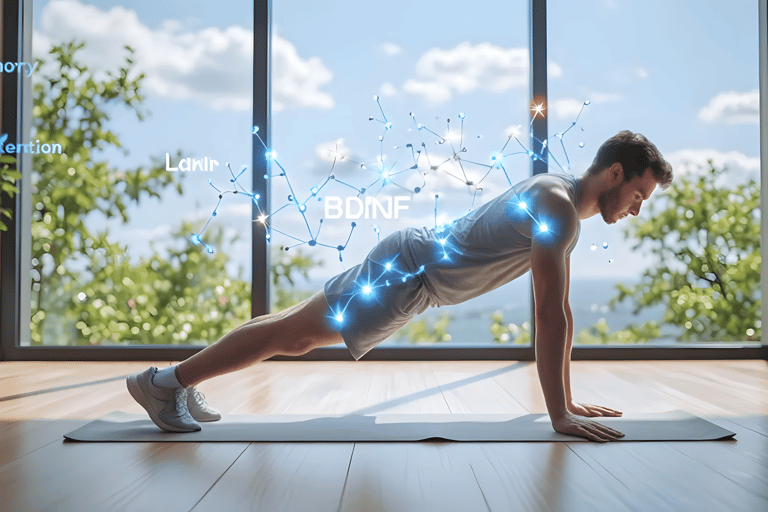

The neuro-plank is a method that combines physical exercise with mental affirmations to foster the formation of new neural connections and enhance cognitive abilities. This approach, developed by Isaac Pintosevich, a coach and author of personal development books, is grounded in the principles of neuroplasticity and scientific research on the role of physical activity in increasing brain-derived neurotrophic factor (BDNF) levels. This article explores how the neuro-plank works, its scientific foundation, and its potential benefits for cognitive health.
Scientific Foundation: BDNF and Neuroplasticity
The Role of BDNF in Cognitive Functions
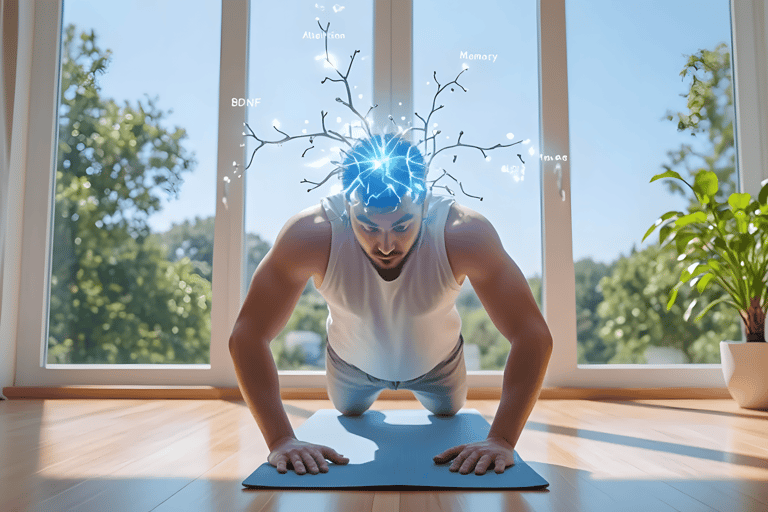
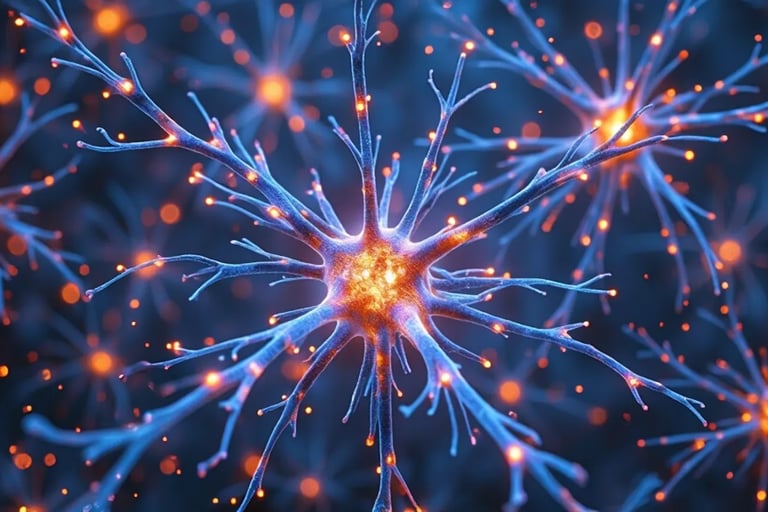
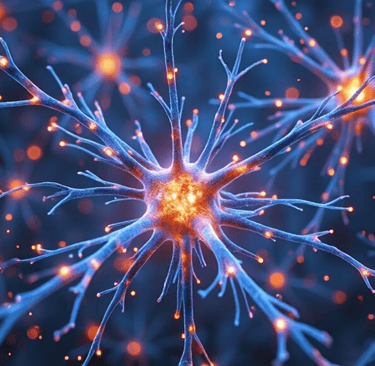
Brain-derived neurotrophic factor (BDNF) is a protein that supports the growth, survival, and differentiation of neurons. It plays a critical role in neuroplasticity—the brain's ability to adapt and form new neural connections in response to learning and experience. Research indicates that elevated BDNF levels are associated with improved memory, attention, and learning ability. For example, a study published in Nature Reviews Neuroscience (2008) highlights that BDNF facilitates synaptic plasticity, which underpins cognitive processes.
Physical activity, particularly exercises with moderate intensity like the plank, increases BDNF production. A study in the Journal of Neuroscience (2013) demonstrated that regular physical exercise elevates BDNF levels in the hippocampus—a brain region responsible for memory and learning. This makes the neuro-plank, which combines physical exertion with mental affirmations, a potentially effective tool for cognitive enhancement.
Harvard Research and Neuroplasticity
Decades of research, including studies by Harvard University scientists, confirm the connection between physical activity, BDNF levels, and neuroplasticity. Specifically, a 2019 study published in Proceedings of the National Academy of Sciences showed that moderate-intensity exercise stimulates the expression of BDNF-related genes, promoting cognitive resilience. These findings underscore that even short bouts of regular physical activity can enhance cognitive functions by strengthening neural connections.
Why Does the Neuro-Plank Work?
The neuro-plank leverages the synergistic effect of physical activity and mental affirmations. Repeating positive affirmations during physical exertion enhances neural activity, creating favorable conditions for forming new neural pathways. This aligns with Hebb’s principle: neurons that fire together wire together. Thus, the neuro-plank can help reinforce positive thinking patterns, thereby improving cognitive abilities.
How Does the Neuro-Plank Work?
The neuro-plank is a daily exercise that involves performing a physical plank while simultaneously repeating mental affirmations. The process is as follows:
Physical Plank:
The individual assumes a plank position, resting on their forearms and toes, keeping the body in a straight line. The plank is held for 30 seconds to 1 minute, depending on physical fitness. This exercise strengthens the core muscles and stimulates BDNF production.Mental Affirmations:
During the plank, a positive statement is repeated, such as: “I develop focus and strength.” The affirmation is chosen in advance and aims to cultivate a desired trait or belief.Daily Practice:
The exercise takes 30 seconds to 1 minute per day. Each day focuses on a new affirmation, promoting gradual changes in thinking.
Structure of Daily Practice
Below is the structure of a 10-day neuro-plank cycle, optimized for mobile viewing:
Day 1
Plank: 30 sec – 1 min
Goal: Begin forming new thought patternsDay 2
Plank: 30 sec – 1 min
Goal: Reinforce the second affirmationDay 3
Plank: 30 sec – 1 min
Goal: Strengthen mental habit formationDay 4
Plank: 30 sec – 1 min
Goal: Enhance neural connectionsDay 5
Plank: 30 sec – 1 min
Goal: Build cognitive resilienceDay 6
Plank: 30 sec – 1 min
Goal: Sustain progressDay 7
Plank: 30 sec – 1 min
Goal: Reinforce positive thinkingDay 8
Plank: 30 sec – 1 min
Goal: Continue neuroplasticityDay 9
Plank: 30 sec – 1 min
Goal: Prepare for completionDay 10
Plank: 30 sec – 1 min
Goal: Complete the cycle
10-Day Cycle and 30-Day Transformation
The neuro-plank is designed as a 10-day cycle, during which an individual incorporates 10 new thoughts through daily exercises. Within this period, initial improvements in focus, discipline, and mental clarity may be observed. However, for significant changes in thinking, it is recommended to continue the practice for 30 days. Studies, such as one in Neuroscience Letters (2016), show that regular physical activity over 4 weeks substantially increases BDNF levels and enhances cognitive functions, including working memory and executive functions.
Key Concepts of the Neuro-Plank
Springs of Thinking
The concept of “springs of thinking” suggests that regularly repeating positive affirmations makes them automatic, influencing subconscious decisions and behavior. This aligns with research on cognitive-behavioral therapy, where repeated positive statements can alter neural patterns associated with negative thinking.
Formation of Neural Connections
The neuro-plank facilitates the creation of new neural pathways by combining physical and mental activity. A study in Frontiers in Psychology (2020) demonstrated that the combination of exercise and cognitive tasks enhances neuroplasticity, improving cognitive flexibility and problem-solving abilities.
Benefits of the Neuro-Plank
Scientific evidence supports that regular neuro-plank practice can offer the following benefits:
Improved Cognitive Functions: Elevated BDNF levels support memory, attention, and learning ability.
Strengthened Neural Connections: Neuroplasticity enables the formation of new thinking patterns.
Enhanced Mental Resilience: Affirmations foster a positive outlook and stress resilience.
Better Discipline: Daily practice builds a habit of consistent action.
Limitations
While the neuro-plank is scientifically grounded, its effectiveness may vary. Individual factors such as motivation and physical fitness influence outcomes. Additionally, further research is needed to confirm the specific effects of combining planks with affirmations.
Conclusion
The neuro-plank is a scientifically supported method that uses physical activity and mental affirmations to improve cognitive functions. Drawing on research about BDNF and neuroplasticity, it offers a simple way to strengthen neural connections and develop positive thinking. A 10-day cycle can serve as a first step toward improved focus and mental clarity, while a 30-day practice can lead to significant cognitive changes. This approach demonstrates how small daily actions can profoundly impact the brain and thinking.
Disclaimer: fitfusionglow.com provides general wellness information only, not medical advice. Always consult a healthcare professional. We may earn commissions from affiliate links at no extra cost to you. This helps support our research and content.
✨ Get Wellness Secrets
© 2025. All rights reserved.