
Moringa: The Science of a Metabolic Superfood
The article “Moringa: The Science of a Metabolic Superfood” explores the benefits of moringa (Moringa oleifera), a renowned superfood. Backed by scientific research, it details moringa’s antioxidant properties, immune support, inflammation regulation, and rich nutritional profile. It also highlights moringa’s role in combating malnutrition. The article suggests ways to incorporate moringa into diets.
BOOST METABOLISMMETABOLISM
4/22/20254 min read
What is Moringa?
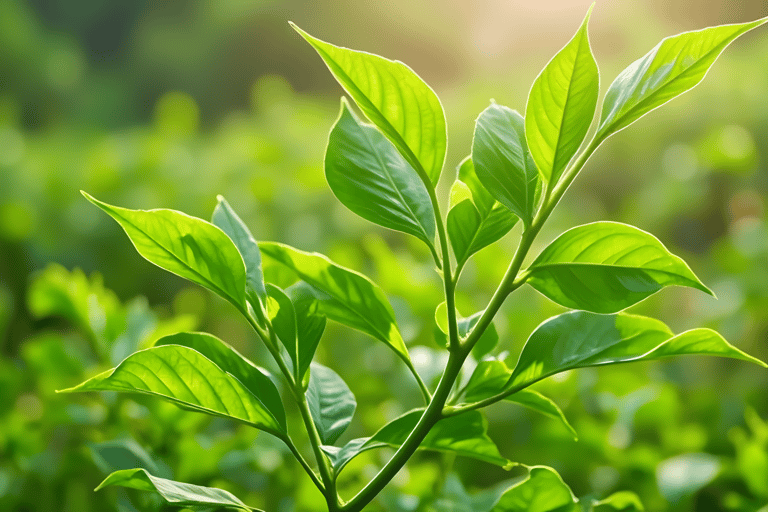
Moringa (Moringa oleifera), often referred to as the “drumstick tree” or “miracle tree,” is a fast-growing, drought-resistant plant native to northwestern India. For centuries, moringa has been used in traditional medicine and cuisine across South Asia and Africa. All parts of the tree are edible, but the leaves hold the most nutritional value.
Why is it Called a Superfood?
Moringa is frequently labeled a superfood due to its high concentration of nutrients. It contains a wealth of vitamins, minerals, and antioxidants that support overall health. While some comparisons—like having more vitamin C than oranges or more calcium than milk—depend on serving size, moringa’s nutritional profile makes it a valuable dietary addition.
Scientific Research on Moringa
Overview of Recent Studies
In recent years, moringa has captured the attention of researchers, leading to numerous studies aimed at validating its traditional uses and uncovering new benefits. Research includes both animal studies and human clinical trials, building a robust evidence base.
Key Findings from Specific Research
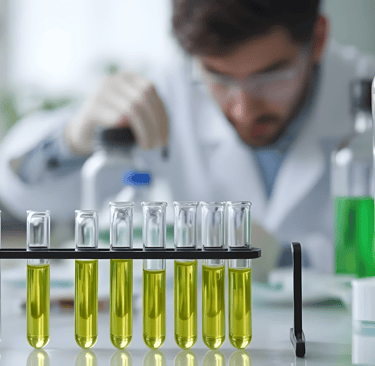
A notable study published in the Journal of Food Science and Technology (Moringa Research) found that participants who consumed moringa leaf powder daily showed a significant increase in blood antioxidant levels. This is critical for protecting cells from oxidative stress. Additionally, the study noted improvements in immune system markers and a healthier inflammatory response.

Health Benefits of Moringa
Antioxidant Properties
Moringa is rich in antioxidants, such as vitamins C and E, and phytochemicals like quercetin and beta-carotene. These compounds neutralize free radicals, reducing oxidative stress and potentially lowering the risk of chronic diseases like heart disease and cancer.
Immune System Support
The high vitamin C content in moringa bolsters the immune system by promoting the production and function of white blood cells, which combat infections. Iron, also present in moringa, supports hemoglobin production, enhancing oxygen transport and immune function.
Healthy
Inflammatory Response
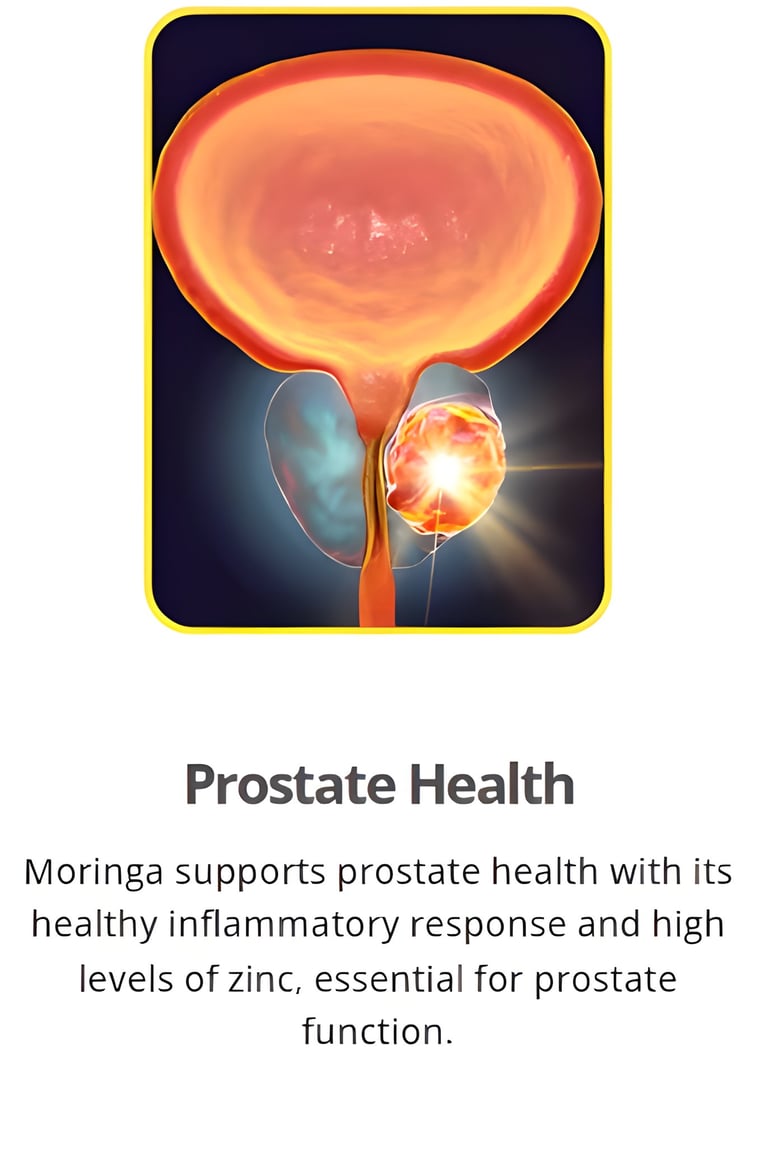
Chronic inflammation is linked to conditions like diabetes and arthritis. Moringa contains compounds that may regulate inflationary processes, promoting a healthy balance and reducing the risk of inflammatory diseases.


Vitamins and Minerals
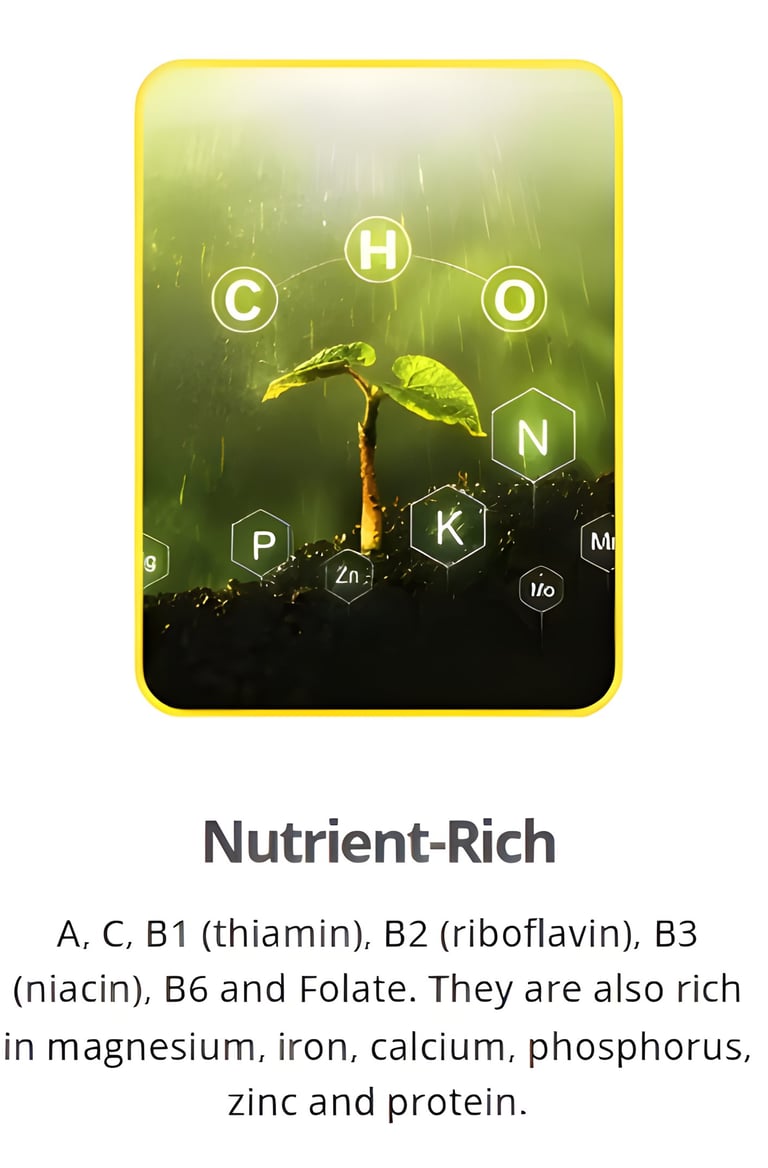
Moringa leaves are a powerhouse of nutrients, including:
Vitamin A: Supports eye health and immunity.
Vitamin C: An antioxidant that strengthens skin and immunity.
Vitamin B6: Essential for brain function.
Vitamin B2 (Riboflavin): Involved in energy production.
Vitamin B1 (Thiamine): Supports the nervous system.
Folates: Necessary for cell division.
Minerals: Calcium, potassium, magnesium, iron, and phosphorus, crucial for bones and metabolism.
Nutritional Composition
Bioactive Compounds
Beyond vitamins and minerals, moringa contains:
Isothiocyanates: Show potential anticancer properties.
Quercetin: A flavonoid with antioxidant and anti-inflammatory effects.
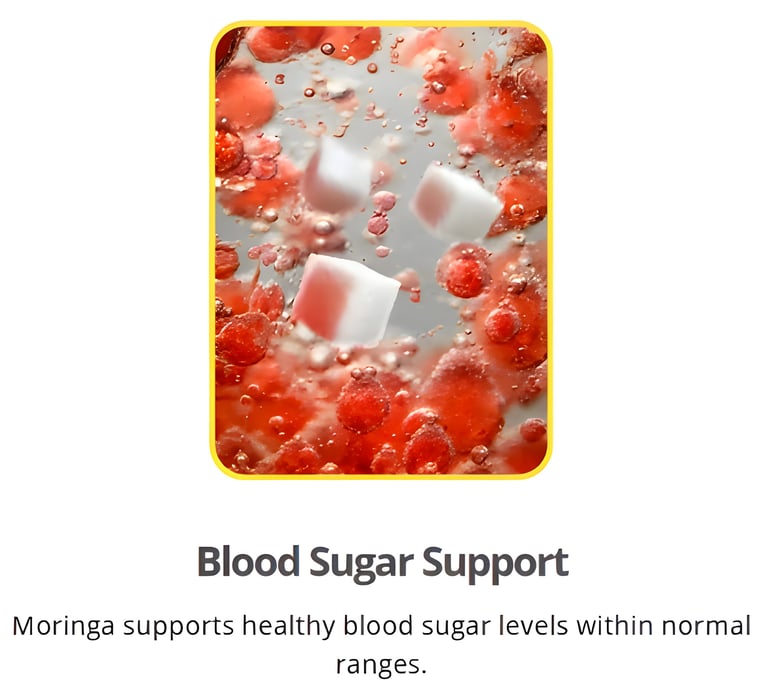
Chlorogenic Acid: May help regulate blood sugar levels.
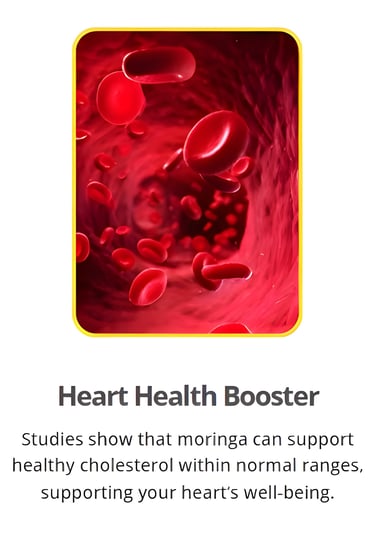
Beta-Sitosterol: A phytosterol that lowers cholesterol.
Moringa and Global Health
Combating Malnutrition
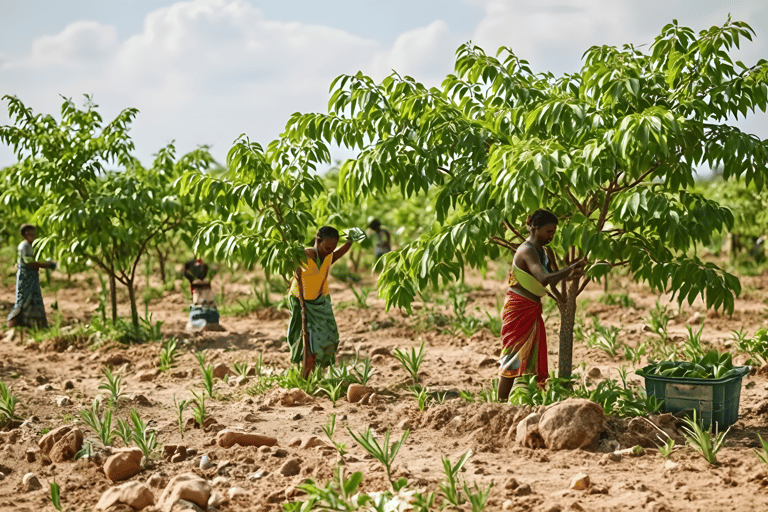
Moringa is widely used to address malnutrition, particularly in developing countries. Its leaves can be easily incorporated into meals or processed into powder for supplements, making it a cost-effective way to address nutrient deficiencies.
Environmental Benefits
Moringa is an environmentally sustainable plant that thrives in poor soils and requires minimal water. Moringa trees also contribute to soil restoration and bioremediation, making them valuable for sustainable agriculture.
Conclusion
Key Takeaways
Moringa is a remarkable plant with scientifically supported benefits. Its antioxidant properties, immune support, and nutritional composition make it a worthy superfood. Additionally, moringa plays a vital role in combating malnutrition and supporting environmental sustainability.
How to Incorporate Moringa into Your Diet
Moringa can be added to smoothies, teas, or taken in capsule form. Fresh leaves are suitable for salads and soups. Consult a healthcare professional before starting, especially if you have chronic conditions.
To learn more about moringa’s benefits and explore high-quality moringa products,
👉visit the official Moringa Magic website
Inside Every Moringa Magic Capsule,
You'll UncoverTHE ESSENCE OF High-Quality Moringa
Discover the extraordinary benefits of Moringa Magic,
meticulously formulated to enhance your well-being and vitality:






Disclaimer: fitfusionglow.com provides general wellness information only, not medical advice. Always consult a healthcare professional. We may earn commissions from affiliate links at no extra cost to you. This helps support our research and content.
✨ Get Wellness Secrets
© 2025. All rights reserved.